

Carbon Emissions & Net Zero in the Built Environment
The built environment has a critical role to play in addressing climate change by reducing both operational and embodied carbon emissions.
Our planet is experiencing a climate crisis. Over the last fifty years, rapidly increasing emissions of greenhouse gases such as carbon dioxide, from burning fossil fuels, deforestation, and agriculture, have fuelled rising temperatures, which in turn have caused environmental degradation, natural disasters, weather extremes, economic disruption and increased conflict. Because of these emissions, the Earth’s temperature is now almost 1.5 C warmer than the pre-industrial average.
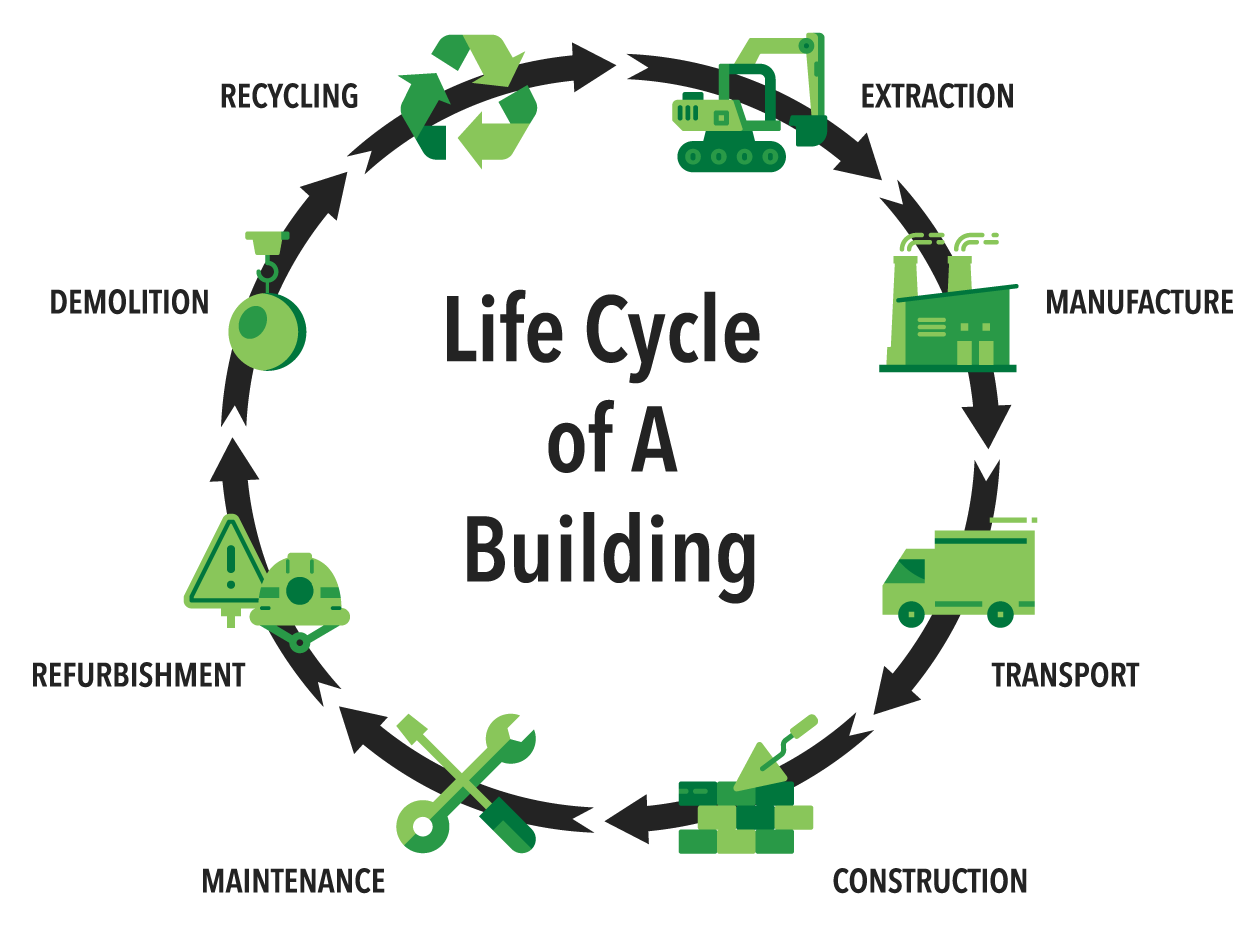
In Ireland, construction and the built environment are responsible for 37% of greenhouse gas emissions, the joint highest-emission sector along with agriculture[1]. Two-thirds of our built environment emissions are operational emissions from heating, lighting, cooling and powering our buildings. One third are embodied emissions associated with the construction, maintenance, and demolition of buildings, particularly the extraction, processing and transporting of building materials.
While operational emissions are on a downward trend in Ireland, we risk blowing our climate targets for 2030 if we do not tackle embodied emissions, due to the volume of construction that is planned.
Building a Zero-Carbon Ireland
Creating a low-carbon built environment is a core part of the Irish Green Building Council’s mission. To achieve this, we must consider carbon emissions at every stage of a building or structure’s life cycle.
Strategies for reducing the life-cycle emissions of buildings and infrastructure include[2]:
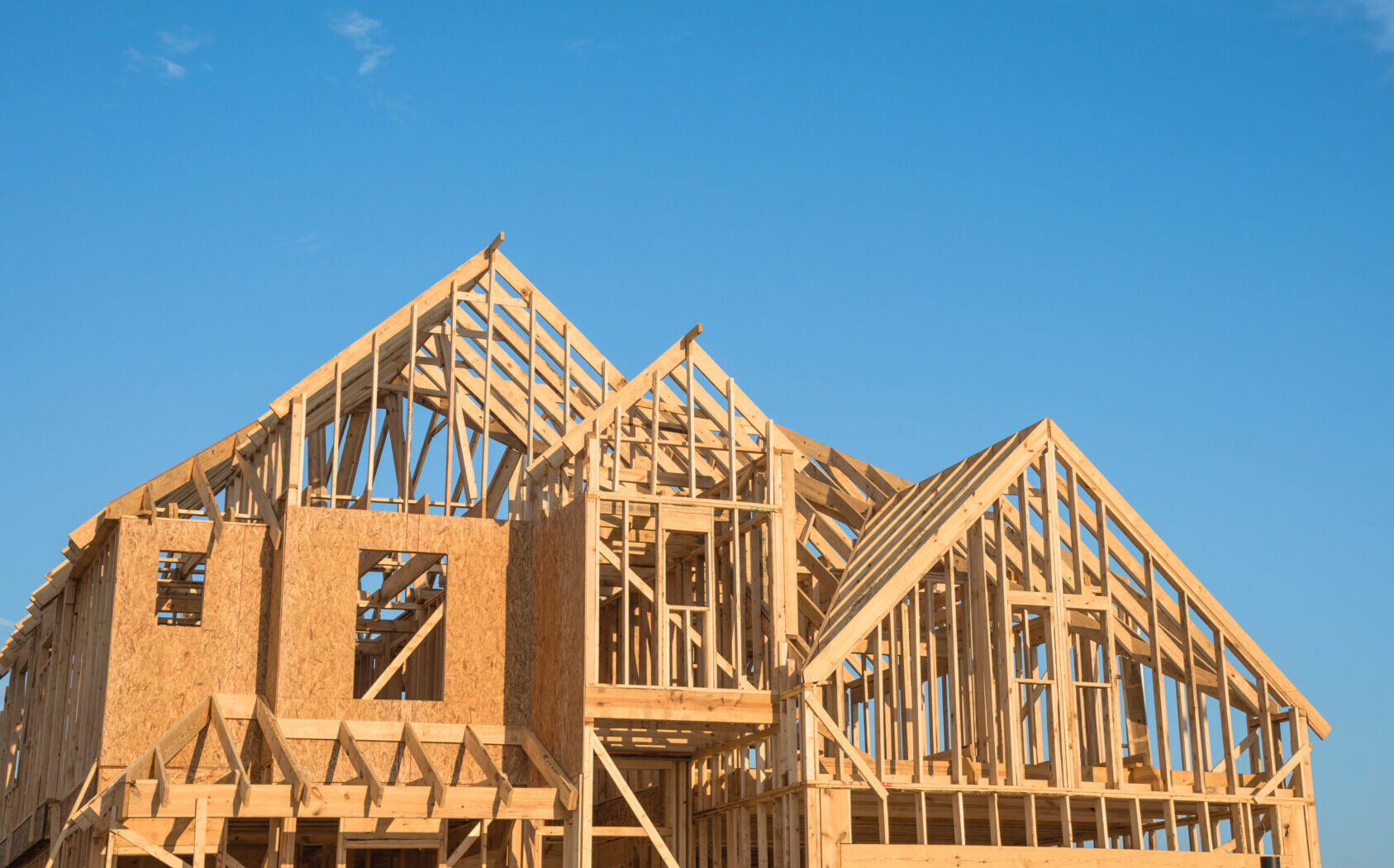
- Avoid new construction by prioritising alternatives to building new. Retrofitting a residential building produces one-quarter of the carbon emissions of building a new one[3]. Reusing buildings also avoids the carbon emissions associated with constructing new infrastructure.
- Set a budget for the building’s life-cycle greenhouse gas emissions
- Design and construct buildings to be highly energy efficient (i.e., to need minimal energy for heating, lighting and cooling during their operational phase)
- Design for durability and adaptability. Design for deconstruction and disassembly. This will mitigate future emissions associated with demolition and reconstruction.
- Reduce the size of the proposed building
- Build compact and efficient structures in smart locations. Apartments, duplexes and terraces typically produce less carbon emissions than detached houses because they use materials and infrastructure more efficiently. Building new homes within existing settlements produces less emissions than building on greenfield sites.
- Minimise the use of virgin materials
- Use fewer and simpler mechanical, electrical and plumbing systems
- Reuse materials from deconstructed buildings
- Select natural, bio-based materials, products and systems (e.g., if grown and harvested sustainably, timber typically has a much lower carbon footprint than steel or concrete). Select recycled materials, products and systems.
Calculating life-cycle emissions
A growing number of building designers, developers and consultants are now trying to understand the full carbon footprint of their buildings by undertaking a life cycle assessment. Under the new Energy Performance of Buildings Directive, the life-cycle emissions of buildings will have to be measured and reported in the BER from 2028 for buildings over 1000m2, and from 2030 for all new buildings. The first limit values for life-cycle emissions, also known as life-cycle global warming potential (GWP), will also be introduced from 2030.
The Sustainable Energy Authority of Ireland has developed a methodology for calculating the life-cycle GWP of buildings in Ireland, along with a workbook for practitioners. It will become the national methodology for quantifying emissions and reporting them in the BER.
To learn more about life-cycle GWP, take the IGBC’s Embodied Carbon 101 course.
IGBC’s work in this field
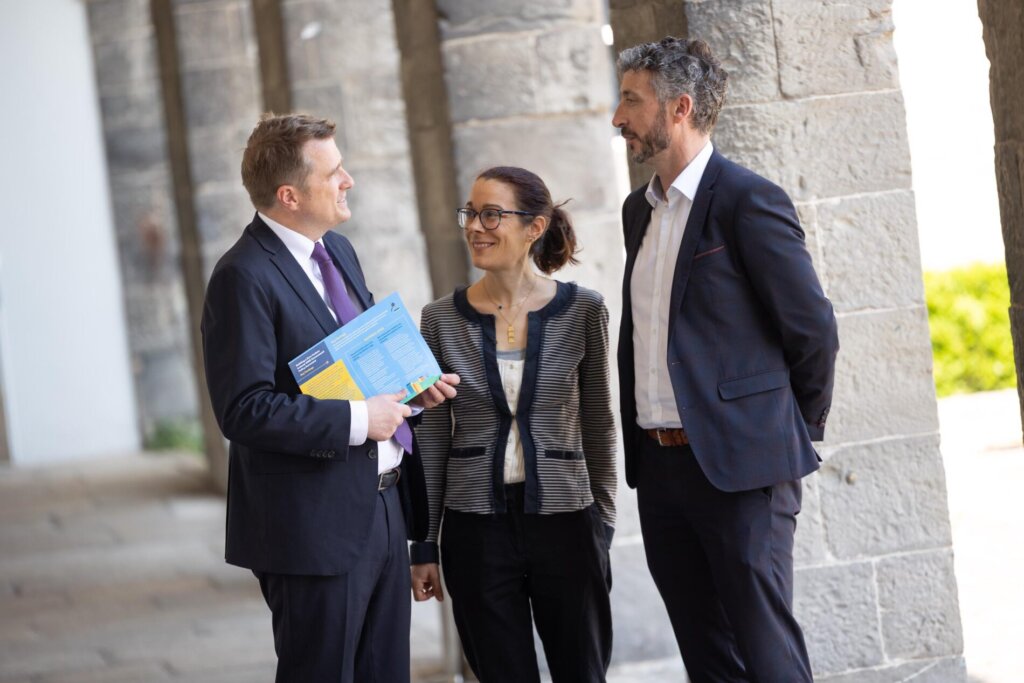
Since 2022, we have launched our “Building a Zero Carbon Ireland” Roadmap and Industry and Policy reports that can be found here. We have developed a methodology and data for calculating the life cycle GWP of buildings, and ran several projects to progress decarbonisation in Ireland. We have a quarterly community of practice and newsletter for our members.
Projects


[1] Whole Life Carbon In Construction and in the Built Environment in Ireland (V4) – Irish Green Building Council
[2] List adapted from this paper: Full article: A workflow to obtain whole-life low-embodied GHG emissions buildings
[3] Whole Life Carbon In Construction and in the Built Environment in Ireland (V4) – Irish Green Building Council
Guide
Related content
-
Circularity & Resource Efficiency in the Built Environment
Designing buildings for longevity, adaptability, and reuse is key to creating a resource-efficient and circular built environment. -
Climate Adaptation and Resilience in the Built Environment
As climate risks increase, resilient buildings and neighbourhoods are critical to protecting people, places, and infrastructure. -

Health & Wellbeing in the Built Environment
Sustainable buildings are not only good for the planet, they are essential for healthier, fairer, and more resilient communities. -
Nature & Biodiversity in the Built Environment
Nature is in crisis, but the built environment has the potential to be part of the solution through planning and design that protects, restores, and enhances biodiversity. -

Life Cycle GWP Assessment – Methods and Resources
Overview The Irish Green Building Council (IGBC), as part of the INDICATE initiative, has developed a prototype Life Cycle Global Warming Potential (GWP) Assessment Methodology for Ireland. This methodology has […] -
Life Cycle Assessment tools and other useful links
There are many Life Cycle Assessment tools for performing building LCA. Here’s a list of LCA tools and useful links. Carbon Designer for Ireland (No Longer Available) One Click LCA […]