

Health & Wellbeing in the Built Environment
Sustainable buildings are not only good for the planet, they are essential for healthier, fairer, and more resilient communities.
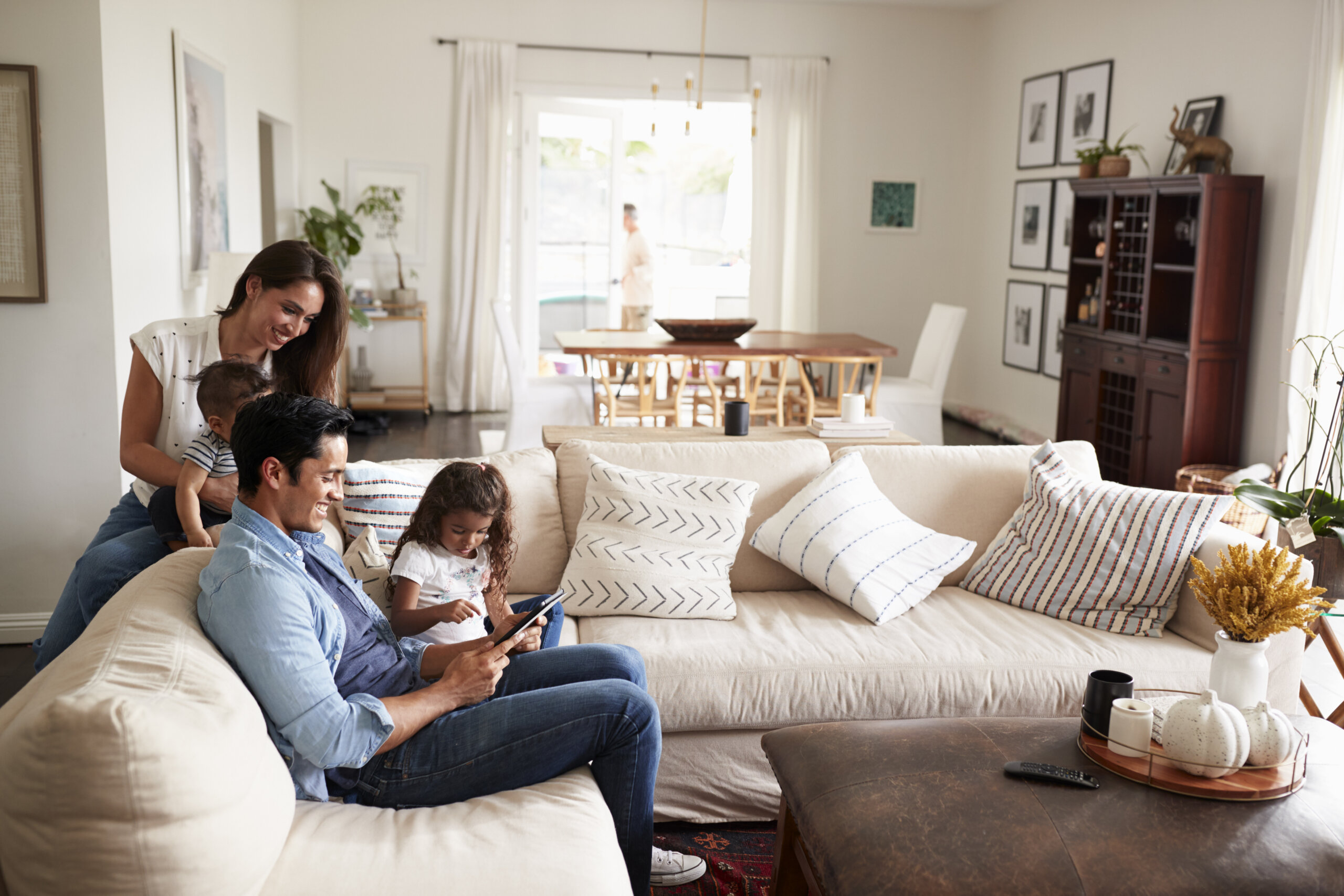
The Irish Green Building Council believes that sustainable buildings are not only good for the planet but are fundamental to human health, social equity, and community resilience. The built environment shapes the lives of every person in Ireland, every single day.
1 in 4 Irish homes poses a risk to the health of their occupants. We spend around 90% of our time indoors, making indoor environments critical to our health and wellbeing. With 500,000 homes to be retrofitted by 2030, there is a profound opportunity to improve the lives of hundreds of thousands of people – if we get it right.
How buildings affect health and wellbeing
Indoor Environmental Quality
Dampness, mould, poor ventilation and inadequate heating contribute to chronic lung disease, asthma, and allergies. Proper ventilation, thermal performance and moisture control are not luxuries but health necessities.
Warmth, Comfort and Energy Poverty
Cold homes are dangerous homes. Energy-inefficient buildings trap people in fuel poverty, forcing impossible choices between heat and other essentials. Retrofit and energy upgrades are among the most powerful health interventions available.
Daylighting, Noise and Mental Health
Access to natural light, adequate space and acoustic comfort have measurable impacts on mental health and wellbeing. Good building design ensures that homes support, rather than undermine, the people who live in them.
Sustainable Location and Active Living
Where a home is located matters as much as how it is built. Access to green space, safe walking routes, public transport and local services shapes physical activity levels, social connection and mental wellbeing.
Biodiversity and Nature-Based Health
Exposure to nature, green infrastructure and biodiverse environments has well-documented health benefits, from reduced stress to improved immune function. Buildings and neighbourhoods that incorporate nature are better for people as well as the planet.
Climate Adaptation and Safe Homes
Rising temperatures and more frequent flooding pose new risks to human health and safety. Buildings must be designed and upgraded to withstand the impacts of a changing climate, protecting occupants from overheating, flooding, and extreme weather.
Healthy homes must be for everyone
Unhealthy homes are not distributed equally. Private renters, social housing tenants, older people on fixed incomes, people with disabilities, and those living in rural areas often face the worst indoor environments, and the fewest resources to address them. The IGBC believes that good indoor environmental quality is not a privilege, but a right, and that the transition to greener buildings must be designed with equity at its core.
Decarbonising Ireland’s housing stock is an opportunity, but only if it is delivered in a way that prioritises those most at risk from cold, damp, overcrowded and poorly ventilated homes. Retrofit and building upgrade programmes must be accessible, affordable and designed with the occupant’s health at the centre.
Biodiversity, nature and the health of our communities
Access to nature and green infrastructure is not simply an environmental concern; it is a public health one. Research shows that exposure to biodiversity, green space and nature-based solutions reduces stress, improves immune function, supports children’s development,
Adapting homes to protect people
Climate change is making our homes less safe. The IGBC advocates for buildings that protect their occupants from the growing risks of overheating and flooding.
Overheating: As Ireland’s summers become warmer, poorly designed or poorly ventilated homes increasingly trap heat, creating serious risks for elderly residents, young children, and people with heart or respiratory conditions. Good building design — including appropriate shading, ventilation, thermal mass and green infrastructure — can dramatically reduce overheating risk. As we retrofit Ireland’s housing stock, overheating must be designed out, not locked in.
Flooding: Flooding has profound and lasting impacts on physical and mental health — from physical injury and property loss to anxiety, depression and post-traumatic stress. Flood-resilient design, sustainable urban drainage, and nature-based solutions in residential development are essential tools in protecting communities. The IGBC supports the integration of climate adaptation requirements into building regulations, planning, and retrofit programmes.
IGBC’s work in this field
Healthy Homes Ireland
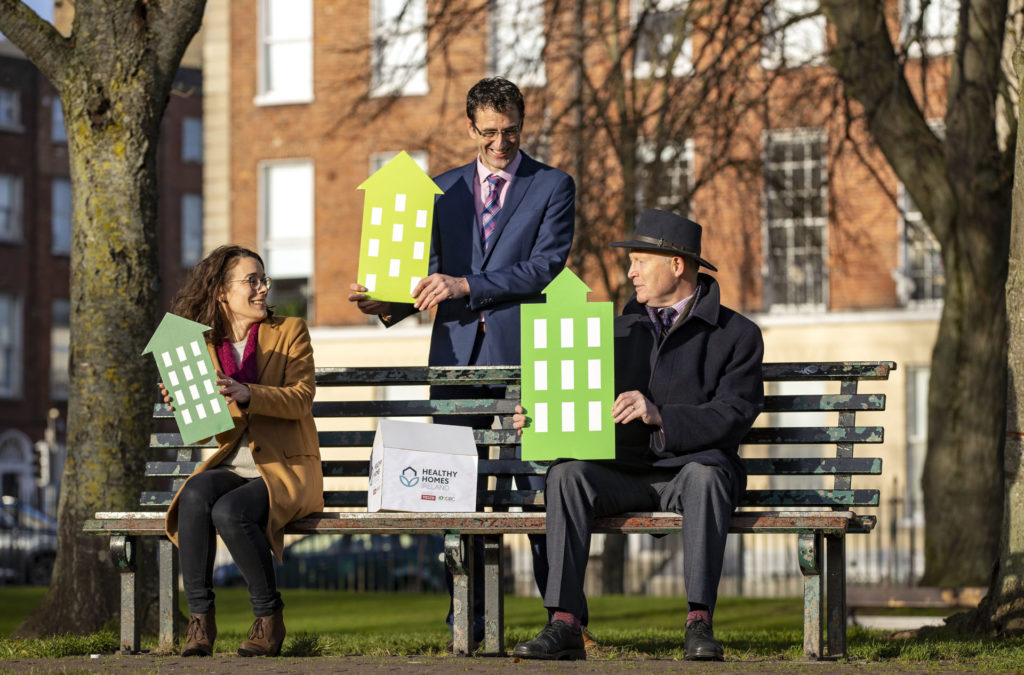
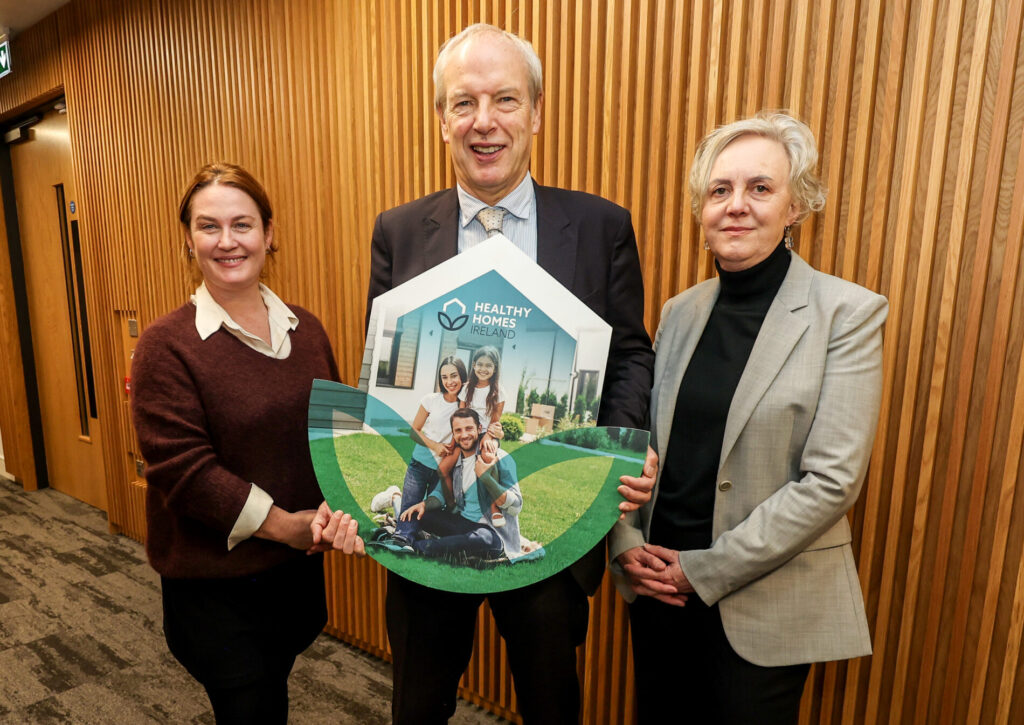
Healthy Homes Ireland (HHI) is a collaborative forum of leaders in the built environment, housing and public health, established in 2021 to address the health problems caused by low-quality homes in Ireland. The initiative is supported by the IGBC and VELUX, and chaired by Susan Vickers.
HHI brings together industry, academia, public health experts, and policymakers to make the case that greener homes must also be healthier homes – and that there should be no compromise between energy efficiency and indoor environmental quality in new build or retrofitted housing.
In 2023, HHI published its landmark report, Our Place: Towards Healthier, Greener Homes, which set out a comprehensive set of policy recommendations on Indoor Environmental Quality (IEQ) and presented these directly to the Minister of State at the Department of Housing. The report remains the definitive evidence base for health-centred housing policy in Ireland.
Tools
Alongside the HHI report, the IGBC has developed a range of practical tools to support healthier homes:
Home Performance Index (HPI) – Ireland’s national certification for sustainable new homes, which evaluates performance across five categories, including Health & Wellbeing. Recognised by the WELL Community Standard and aligned with the EU Taxonomy and Level(s) framework.
Home User Guide – Launched in 2025, this practical, non-technical guide helps residents operate their homes for better health, lower costs and reduced carbon emissions, developed in direct response to the HHI report’s recommendations.
Our advocacy priorities
The IGBC is committed to making health a central pillar of Irish housing and building policy. These are our top priorities, drawn from the recommendations of the Healthy Homes Ireland report:
- Establish a National Healthy Homes Working Group Create a cross-departmental working group, including representatives from the Department of Health, the Department of Housing (DHLGH), the Department of the Environment (DECC), and the Department of Further and Higher Education (DFHERIS) — to provide joined-up leadership and drive better collaboration between government departments and state agencies.
- Strengthen tenant representation and swift intervention Provide additional funding and support to improve tenant representation, and develop a clear, accessible process for swift intervention when unhealthy homes pose an immediate and serious health risk to occupants.
- Deliver a national public awareness campaign Fund and deliver a sustained national campaign on the impact of housing on health, and on how occupants can run an energy-efficient and healthy home. Good information is the foundation of occupant empowerment — and should be available to all, regardless of tenure or income.
- Embed IEQ best practice in government upskilling targets Include best practice for achieving good indoor environmental quality in government targets for upskilling in the construction sector. As Ireland retrofits its housing stock, those carrying out the work must understand how to deliver healthy, as well as energy-efficient, homes.
- Integrate IEQ skills into apprenticeships and education Indoor environmental quality skills should be embedded in construction apprenticeships and third-level programmes, with building professionals and tradespeople incentivised to acquire and demonstrate IEQ skills.
Guide
Related content
-
Circularity & Resource Efficiency in the Built Environment
Designing buildings for longevity, adaptability, and reuse is key to creating a resource-efficient and circular built environment. -
Carbon Emissions & Net Zero in the Built Environment
The built environment has a critical role to play in addressing climate change by reducing both operational and embodied carbon emissions. -
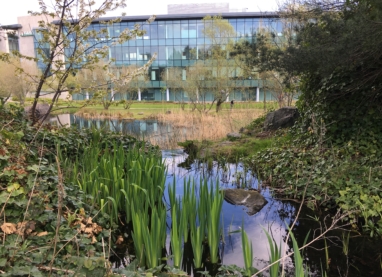
Climate Adaptation and Resilience in the Built Environment
As climate risks increase, resilient buildings and neighbourhoods are critical to protecting people, places, and infrastructure. -
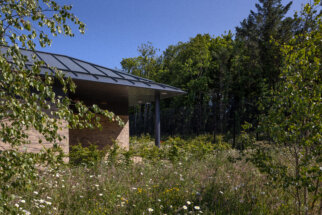
Nature & Biodiversity in the Built Environment
Nature is in crisis, but the built environment has the potential to be part of the solution through planning and design that protects, restores, and enhances biodiversity. -

Life Cycle GWP Assessment – Methods and Resources
Overview The Irish Green Building Council (IGBC), as part of the INDICATE initiative, has developed a prototype Life Cycle Global Warming Potential (GWP) Assessment Methodology for Ireland. This methodology has […] -
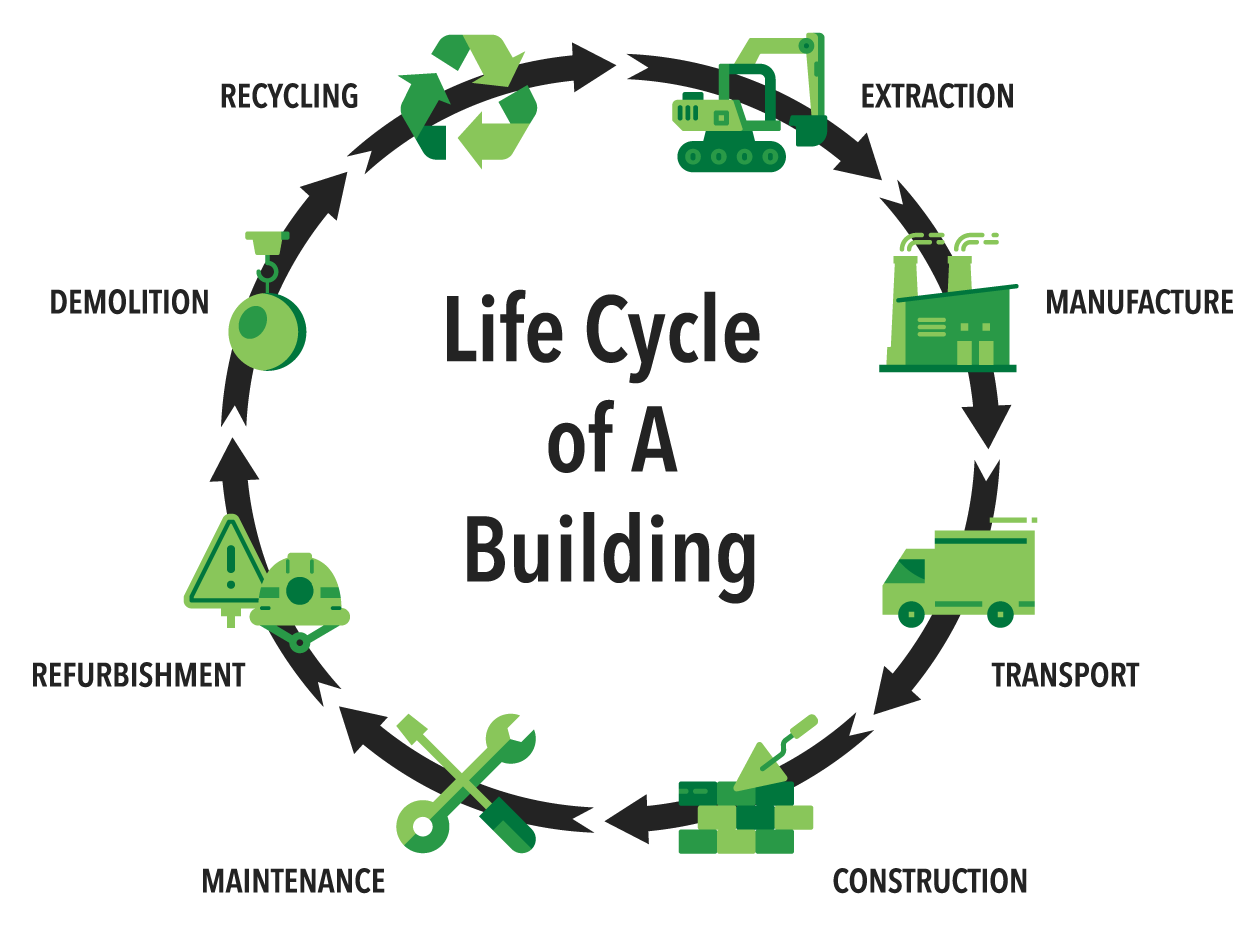
Life Cycle Assessment tools and other useful links
There are many Life Cycle Assessment tools for performing building LCA. Here’s a list of LCA tools and useful links. Carbon Designer for Ireland (No Longer Available) One Click LCA […]